
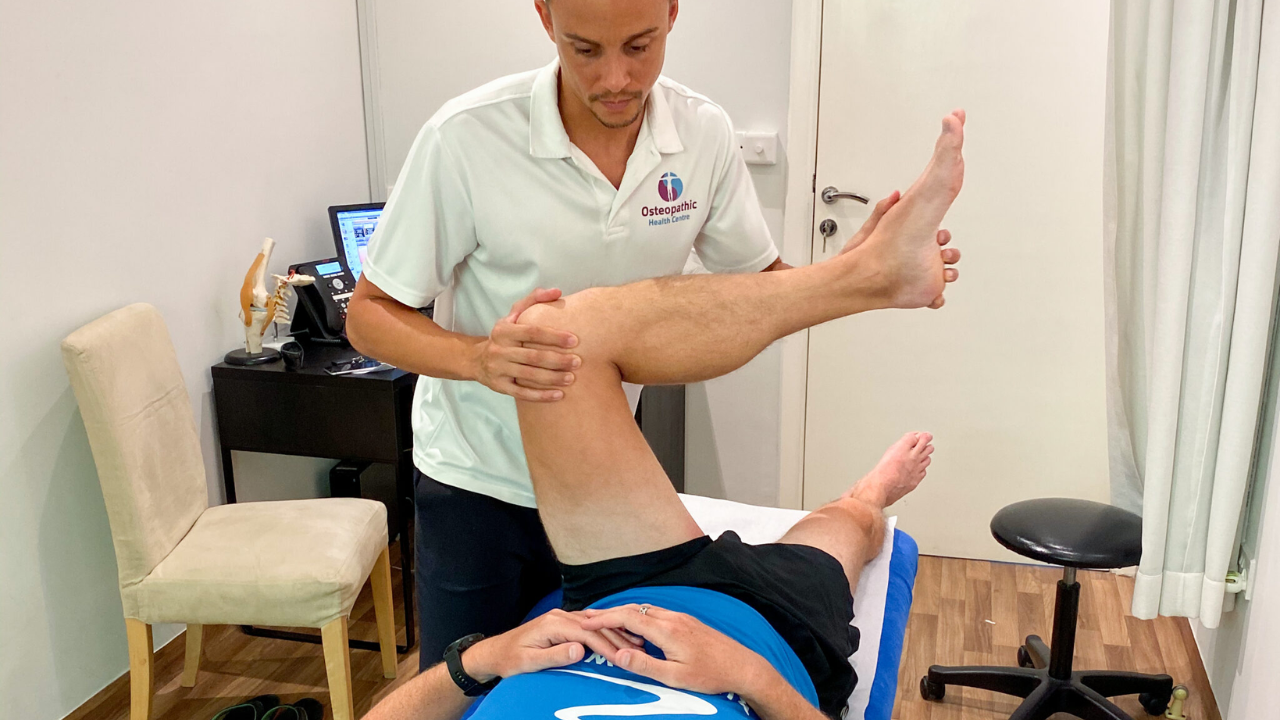
When experiencing pain, injury, or reduced mobility, many people in Dubai ask: Should I see an osteopath or a physiotherapist? The truth is that osteopathy and physiotherapy are most effective when they work together.
Both disciplines play an essential role in pain relief, rehabilitation, and long-term musculoskeletal health. When combined, they offer a comprehensive approach that supports faster recovery and lasting wellbeing.
At integrative health clinics in Dubai, this collaborative model helps patients achieve the best possible outcomes.
Understanding Osteopathy and Physiotherapy


Why Combining Osteopathy and Physiotherapy Works So Well?
Most musculoskeletal problems do not develop in isolation. Pain often arises from poor movement patterns, compensation, muscle imbalance, and nervous system stress.
An integrated approach addresses all these factors.
1.Restoring Musculoskeletal Balance After Injury
After injury, the body adapts to protect the affected area. Muscles tighten, joints become restricted, and posture changes. Over time, these compensations can cause secondary pain.
Osteopathy releases restrictions and restores alignment, while physiotherapy strengthens and stabilises new movement patterns. Together, they rebuild healthy biomechanics.
2. Restoring Musculoskeletal Balance After Injury
Supporting Effective Rehabilitation
Rehabilitation is about more than regaining strength. It is about restoring confidence, coordination, and efficient movement.
Osteopathic treatment improves joint mobility and tissue flexibility, preparing the body for physiotherapy exercises. This makes rehabilitation safer, more comfortable, and more effective.
Physiotherapy then consolidates progress through structured programmes.
3. Enhancing Neuro-Muscular Recovery
Following injury, surgery, or neurological trauma, communication between the brain and body may be disrupted.
Neuro-physiotherapy retrains movement pathways, while osteopathy supports nervous system regulation. This combined approach improves balance, coordination, and body awareness.
4. Preventing Recurring Pain and Re-Injury
Many patients experience repeated episodes of pain because underlying causes are not fully addressed.
Osteopathy identifies deeper structural and postural patterns.
Physiotherapy builds strength and resilience.
Together, they reduce the risk of future injury and chronic pain.
A Patient-Centred, Integrated Approach to Care
When Is Combined Treatment Most Beneficial?
Healing Is a Process, Not a Quick Fix
True recovery is not about short-term symptom relief. It is about restoring balance, rebuilding strength, and reconnecting the body with its natural intelligence.
By combining osteopathy’s holistic philosophy with physiotherapy’s structured rehabilitation, patients receive comprehensive, lasting care.
This approach does not simply treat pain — it supports lifelong wellbeing.
Book an Osteopathy and Physiotherapy Consultation in Dubai
If you are experiencing pain, limited mobility, or recovering from injury, a combined osteopathy and physiotherapy approach may be right for you.