
How Osteopathy and Sports Medicine Work Together to Support Injury Recovery and Peak Performance in Dubai

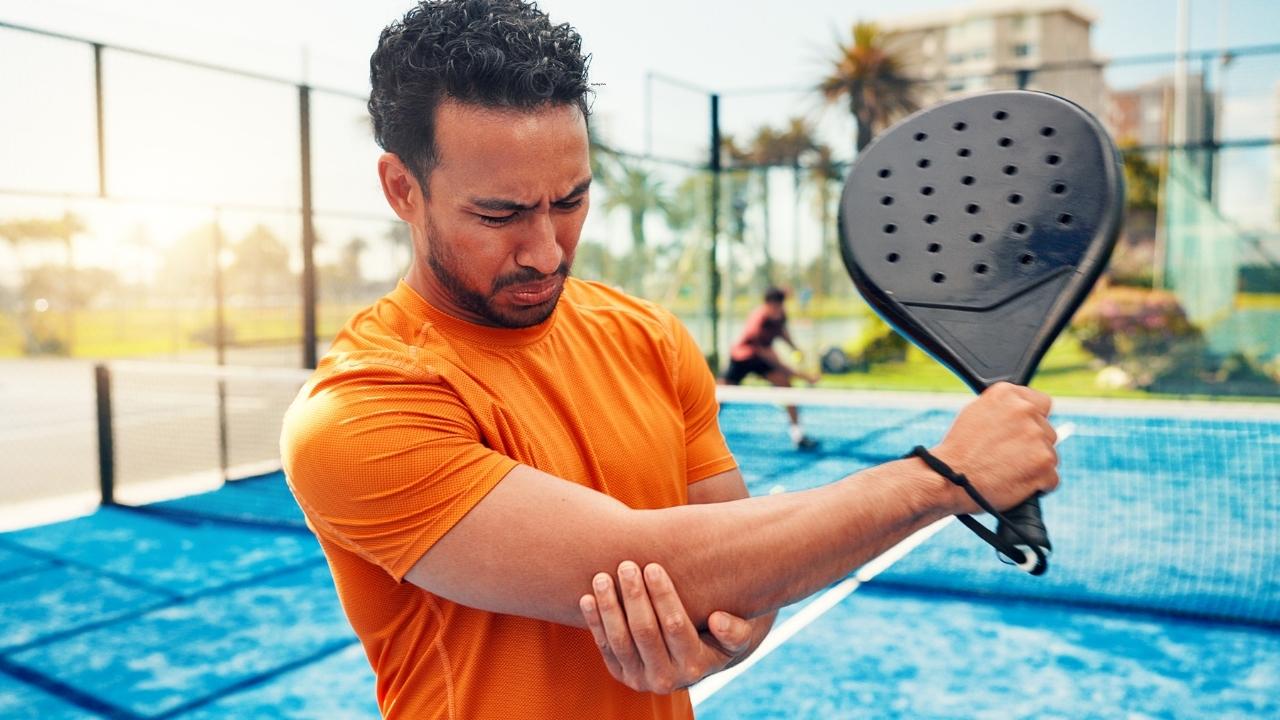
Athletes and active individuals place high demands on their bodies. Whether training for competition, enjoying recreational sport, or maintaining an active lifestyle, physical performance relies on strength, balance, coordination, and recovery.

When injury occurs, or when performance plateaus, the most effective care often comes from combining osteopathy and sports medicine. Together, these disciplines offer a comprehensive approach to injury prevention, rehabilitation, and long-term physical resilience.

In Dubai, this integrated model is increasingly recognised as the gold standard for sports and musculoskeletal care.

Understanding Osteopathy and Sports Medicine

Osteopathy: Supporting Structural Balance and Body Awareness
 
Osteopathy is a holistic system of healthcare that focuses on how the body’s structure influences its function. It recognises that muscles, joints, fascia, nerves, and circulation must work in harmony for optimal performance.
 
An osteopath assesses the whole body, not just the site of pain. They look at posture, movement patterns, breathing, previous injuries, and training habits to identify imbalances that may affect performance.
 
Osteopathic treatment may include:
•Joint and spinal mobilisation
•Soft tissue and fascial release
•Muscle energy techniques
•Postural correction
•Nervous system regulation
 
Osteopathy is particularly helpful for:
•Recurrent sports injuries
•Muscle tightness and stiffness
•Joint restriction
•Postural strain
•Movement inefficiency
 
By restoring balance and mobility, osteopathy helps athletes move more freely and recover more effectively.
Sports Medicine: Evidence-Based Athletic Care
 
Sports medicine focuses on the diagnosis, treatment, and prevention of injuries related to physical activity. It integrates medical knowledge with rehabilitation science and performance optimisation.
 
Sports medicine practitioners address both acute injuries and long-term athletic health.
 
Treatment may include:
•Injury assessment and diagnosis
•Rehabilitation programmes
•Strength and conditioning
•Load management
•Taping and bracing
•Performance monitoring
 
Sports medicine is essential for:
•Sports injuries
•Overuse conditions
•Ligament and tendon injuries
•Muscle tears
•Post-surgical rehabilitation
•Return-to-play planning
 
This discipline ensures that recovery is safe, structured, and supported by scientific evidence

Why Combining Osteopathy and Sports Medicine Works So Well

Sports injuries rarely affect only one structure. They impact movement patterns, muscle coordination, confidence, and nervous system regulation.

An integrated approach addresses both mechanical and functional aspects of recovery.

1.Treating the Root Cause, Not Just Symptoms

Many sports injuries result from underlying imbalances rather than single traumatic events. Poor biomechanics, muscle weakness, or restricted joints can place excessive stress on certain tissues.

Osteopathy identifies and corrects these deeper structural issues.
Sports medicine provides targeted rehabilitation to reinforce healthy mechanics.

Together, they treat both cause and consequence.

2.Supporting Effective Rehabilitation

Rehabilitation is most successful when the body is prepared for exercise.

Osteopathic treatment improves joint mobility and soft tissue flexibility, reducing pain and restriction. This allows athletes to engage fully in rehabilitation exercises.

Sports medicine then provides progressive strength, stability, and endurance training to rebuild capacity.

This combination accelerates recovery and reduces setbacks.

3.Enhancing Neuro-Muscular Control and Coordination

After injury, communication between the brain and muscles can be disrupted. This increases the risk of re-injury and reduces performance efficiency.

Sports medicine focuses on neuromuscular retraining, balance, and proprioception.
Osteopathy supports nervous system regulation and body awareness.

Together, they restore confidence, coordination, and movement precision.

4.Preventing Future Injuries

Injury prevention is a central goal for athletes at all levels.

Osteopathy identifies postural patterns, asymmetries, and movement restrictions that may lead to overload.
Sports medicine strengthens vulnerable areas and optimises training loads.

This proactive approach helps athletes remain healthy and consistent in their training.

5.Supporting Peak Performance

Performance is not only about strength. It depends on mobility, efficiency, recovery, and nervous system balance.

Osteopathy improves tissue elasticity, breathing patterns, and joint alignment.
Sports medicine enhances conditioning, endurance, and functional strength.

Together, they support optimal physical performance and resilience.

A Collaborative, Athlete-Centred Model of Care

When osteopaths and sports medicine professionals collaborate, care becomes personalised and comprehensive.
 
This integrated model offers:
•Individualised injury management
•Coordinated rehabilitation plans
•Ongoing performance monitoring
•Long-term health strategies
•Clear return-to-sport guidance
 
Athletes feel supported not only physically, but psychologically and emotionally throughout their recovery.
 

When Is Combined Care Most Beneficial?

Integrated osteopathy and sports medicine care is especially valuable for:
•Sports injuries
•Tendon and ligament problems
•Muscle strains and tears
•Overuse injuries
•Post-surgical recovery
•Running and cycling injuries
•Team sport injuries
•Fitness-related pain
 
It is equally beneficial for professional athletes, recreational sports enthusiasts, and active individuals.
 

Recovery Is Part of Performance

True athletic success depends on how well the body recovers, adapts, and maintains balance over time.

Short-term fixes may relieve pain temporarily, but sustainable performance requires deeper attention to structure, movement, and resilience.

By combining osteopathy’s holistic insight with sports medicine’s scientific precision, athletes receive care that supports both immediate recovery and long-term excellence.


Book an Osteopathy and Sports Medicine Consultation in Dubai

If you are recovering from a sports injury, managing recurring pain, or seeking to optimise performance, an integrated osteopathy and sports medicine approach may be right for you.

Contact our Dubai clinic to arrange a comprehensive assessment and personalised care plan.

How Osteopathy and Physiotherapy Work Together for Better Recovery in Dubai

When experiencing pain, injury, or reduced mobility, many people in Dubai ask: Should I see an osteopath or a physiotherapist? The truth is that osteopathy and physiotherapy are most effective when they work together.

Both disciplines play an essential role in pain relief, rehabilitation, and long-term musculoskeletal health. When combined, they offer a comprehensive approach that supports faster recovery and lasting wellbeing.

At integrative health clinics in Dubai, this collaborative model helps patients achieve the best possible outcomes.

Understanding Osteopathy and Physiotherapy

Osteopathy: A Holistic Approach to Healing
 
Osteopathy focuses on the relationship between the body’s structure and function. It views the body as an interconnected system with an innate ability to heal when balanced.
 
An osteopath in Dubai assesses posture, movement, breathing patterns, and lifestyle factors that may contribute to pain or dysfunction.
 
Osteopathic treatment may include:
•Joint and spinal mobilisation
•Soft tissue and fascial release
•Cranial osteopathy
•Postural correction
•Nervous system regulation
 
Osteopathy is particularly effective for:
•Back and neck pain
•Headaches and migraines
•Postural strain
•Chronic musculoskeletal pain
•Repetitive strain injuries
Physiotherapy: Rehabilitation and Functional Recovery
 
Physiotherapy in Dubai focuses on restoring strength, mobility, and functional movement after injury, surgery, or neurological conditions.
 
Physiotherapists use evidence-based techniques to support physical recovery and long-term function.
 
Physiotherapy treatment may include:
•Personalised rehabilitation programmes
•Strength and conditioning exercises
•Stretching and mobility work
•Manual therapy
•Electrotherapy and ultrasound
•Sports injury rehabilitation
 
Physiotherapy is essential for:
•Post-surgical recovery
•Sports injuries
•Work-related injuries
•Neurological rehabilitation
•Long-term mobility support
 
In neuro-physiotherapy, specialised techniques help retrain the brain and nervous system following stroke, nerve injury, or neurological conditions.

Why Combining Osteopathy and Physiotherapy Works So Well?

Most musculoskeletal problems do not develop in isolation. Pain often arises from poor movement patterns, compensation, muscle imbalance, and nervous system stress.

An integrated approach addresses all these factors.

1.Restoring Musculoskeletal Balance After Injury

After injury, the body adapts to protect the affected area. Muscles tighten, joints become restricted, and posture changes. Over time, these compensations can cause secondary pain.

Osteopathy releases restrictions and restores alignment, while physiotherapy strengthens and stabilises new movement patterns. Together, they rebuild healthy biomechanics.

2. Restoring Musculoskeletal Balance After Injury

Supporting Effective Rehabilitation

Rehabilitation is about more than regaining strength. It is about restoring confidence, coordination, and efficient movement.

Osteopathic treatment improves joint mobility and tissue flexibility, preparing the body for physiotherapy exercises. This makes rehabilitation safer, more comfortable, and more effective.

Physiotherapy then consolidates progress through structured programmes.

3. Enhancing Neuro-Muscular Recovery

Following injury, surgery, or neurological trauma, communication between the brain and body may be disrupted.

Neuro-physiotherapy retrains movement pathways, while osteopathy supports nervous system regulation. This combined approach improves balance, coordination, and body awareness.

4. Preventing Recurring Pain and Re-Injury

Many patients experience repeated episodes of pain because underlying causes are not fully addressed.

Osteopathy identifies deeper structural and postural patterns.
Physiotherapy builds strength and resilience.

Together, they reduce the risk of future injury and chronic pain.


A Patient-Centred, Integrated Approach to Care

 
At the heart of integrative osteopathy and physiotherapy in Dubai is a shared commitment to personalised, ethical, and comprehensive care.
 
This collaborative approach offers:
•Individualised treatment plans
•Clear rehabilitation pathways
•Ongoing support and education
•Long-term health strategies
 
Patients are empowered to take an active role in their recovery.
 

When Is Combined Treatment Most Beneficial?

 
Integrated osteopathy and physiotherapy care is especially helpful for:
•Back pain and neck pain
•Sports injuries
•Work-related strain
•Postural dysfunction
•Post-operative rehabilitation
•Chronic pain conditions
•Neurological recovery
•Repetitive strain injuries
 

Healing Is a Process, Not a Quick Fix

True recovery is not about short-term symptom relief. It is about restoring balance, rebuilding strength, and reconnecting the body with its natural intelligence.

By combining osteopathy’s holistic philosophy with physiotherapy’s structured rehabilitation, patients receive comprehensive, lasting care.

This approach does not simply treat pain — it supports lifelong wellbeing.


Book an Osteopathy and Physiotherapy Consultation in Dubai

If you are experiencing pain, limited mobility, or recovering from injury, a combined osteopathy and physiotherapy approach may be right for you.


How Emotional Trauma Can Impact the Physical Body – and How Cranial Osteopathy May Help

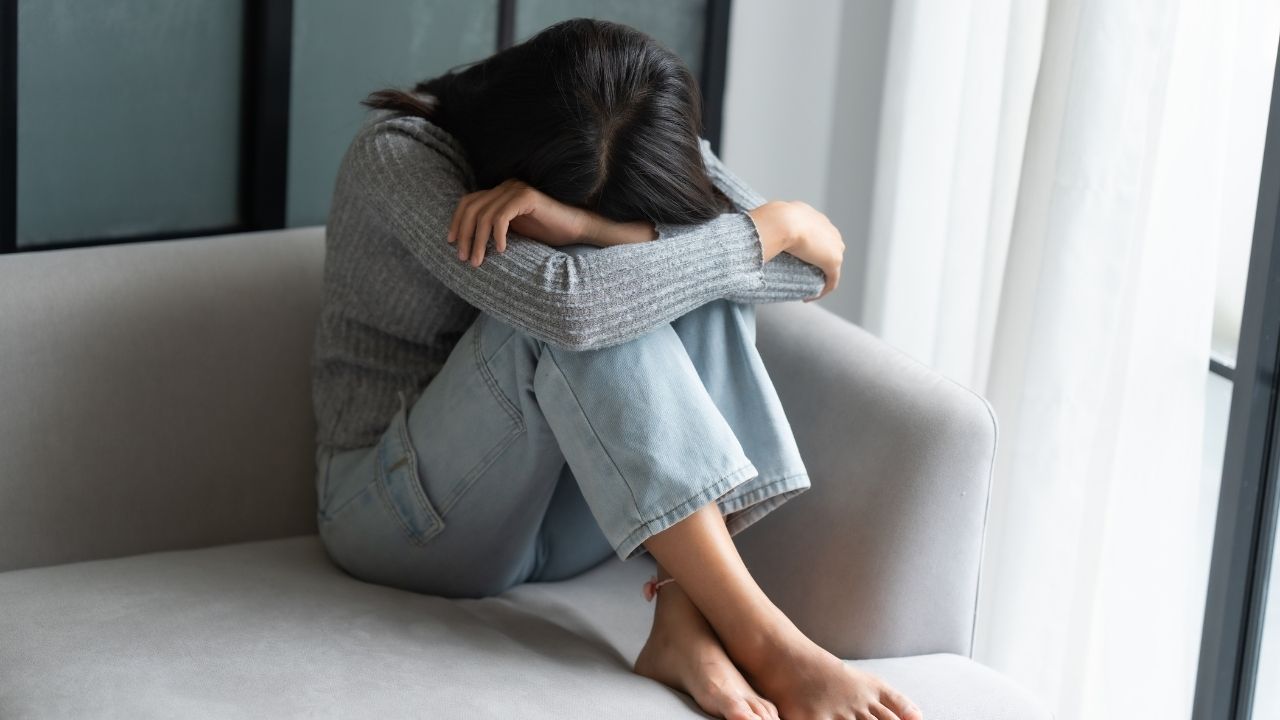
Emotional trauma is often spoken about in psychological terms, yet its effects are frequently experienced physically. Decades of clinical observation, alongside growing scientific understanding, show that unresolved stress or trauma can be held within the body—particularly within the nervous system, muscles, connective tissue, and breathing patterns.

When an individual experiences emotional shock, prolonged stress, or overwhelming life events, the body activates protective survival responses such as fight, flight, or freeze. If these responses are not fully processed, the body may remain in a state of guarded tension or heightened alert. Over time, this can manifest as physical symptoms including persistent headaches, jaw or neck tension, chronic back pain, digestive issues, fatigue, poor sleep, or a general sense of internal unrest.

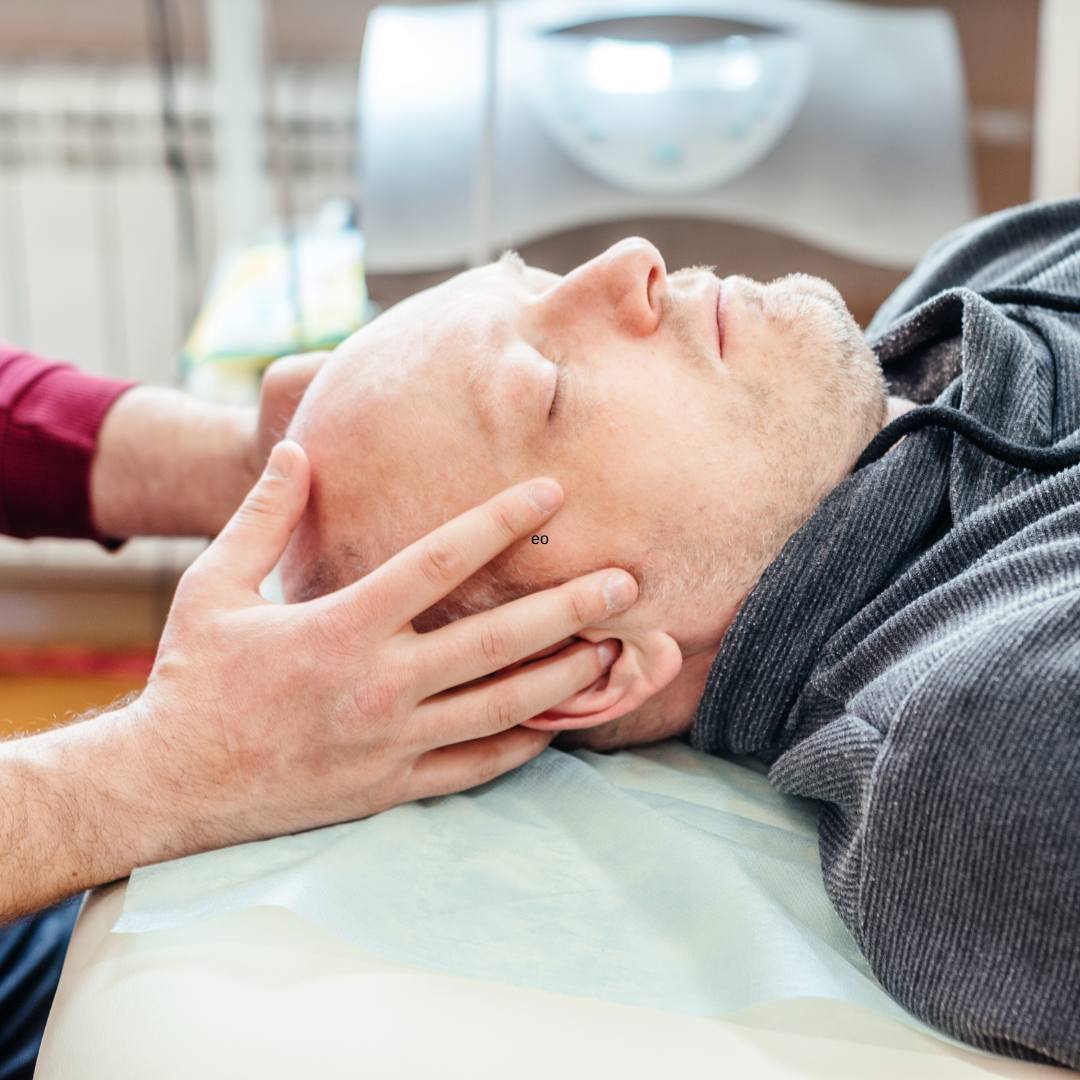
Cranial osteopathy is a gentle, hands-on approach that works with the subtle rhythms of the nervous system and the relationship between the skull, spine, and sacrum. Rather than forcing structural change, cranial osteopathy supports the body’s own regulatory mechanisms. By creating a calm and supportive therapeutic environment, treatment can help reduce nervous system overactivation, ease physical holding patterns, and support the body’s capacity to return to balance.

Patients often report improved sleep, reduced pain, enhanced breathing, and a deep sense of relaxation following cranial osteopathic treatment. Occasionally, emotional responses may arise—not because emotions are being analysed, but because the body is releasing protective patterns that have been held for long periods.

It is essential to understand that while cranial osteopathy may help relieve the physical expressions of trauma, it does not address the psychological causes themselves. Emotional trauma often requires complementary therapeutic approaches such as psychology, counselling, trauma-informed therapy, or body–mind work. These modalities work directly with emotional processing, memory, meaning, and integration.

With over 50 years of clinical experience, Malcolm Gregory approaches osteopathic treatment with a broad, integrated understanding informed by transpersonal psychology. This perspective recognises the inseparable relationship between body, mind, and nervous system—while respecting the distinct roles of physical and psychological therapies.

Cranial osteopathy can be a valuable part of a wider healing pathway, supporting physical regulation while emotional and psychological healing is addressed through appropriate therapeutic care.

Why Am I So Sore After Sport—and Can Osteopathy Help?

Post-exercise soreness is common, but persistent or excessive soreness may indicate more than just a good workout. Muscle stiffness, joint aches, or restricted movement after sport often reflect how the body is adapting—or failing to adapt—to physical load.

During sport, muscles are repeatedly stressed, joints are compressed or twisted, and connective tissues absorb force. If recovery is insufficient, or if there are underlying movement imbalances, the body compensates. These compensations can overload certain muscles or joints, leading to soreness that lingers longer than expected.

Osteopathy helps by identifying how the body is distributing load. An osteopath will assess joint mobility, muscle balance, spinal movement, and breathing mechanics to understand why certain areas are taking more strain than others. Treatment can improve circulation, reduce tissue tension, and restore joint movement—supporting more efficient recovery.

For athletes and active individuals, osteopathy is not just about pain relief. It can help optimise movement patterns, reduce injury risk, and support long-term performance by ensuring the body functions as a coordinated whole.

If soreness consistently limits your ability to train or recover, it may be your body asking for support—not rest alone, but better balance.

Does Stress Create Headaches?

Stress is one of the most common—and most underestimated—contributors to headaches. While headaches are often attributed to dehydration, eye strain, or poor posture, emotional and psychological stress can have a direct physical impact on the body.

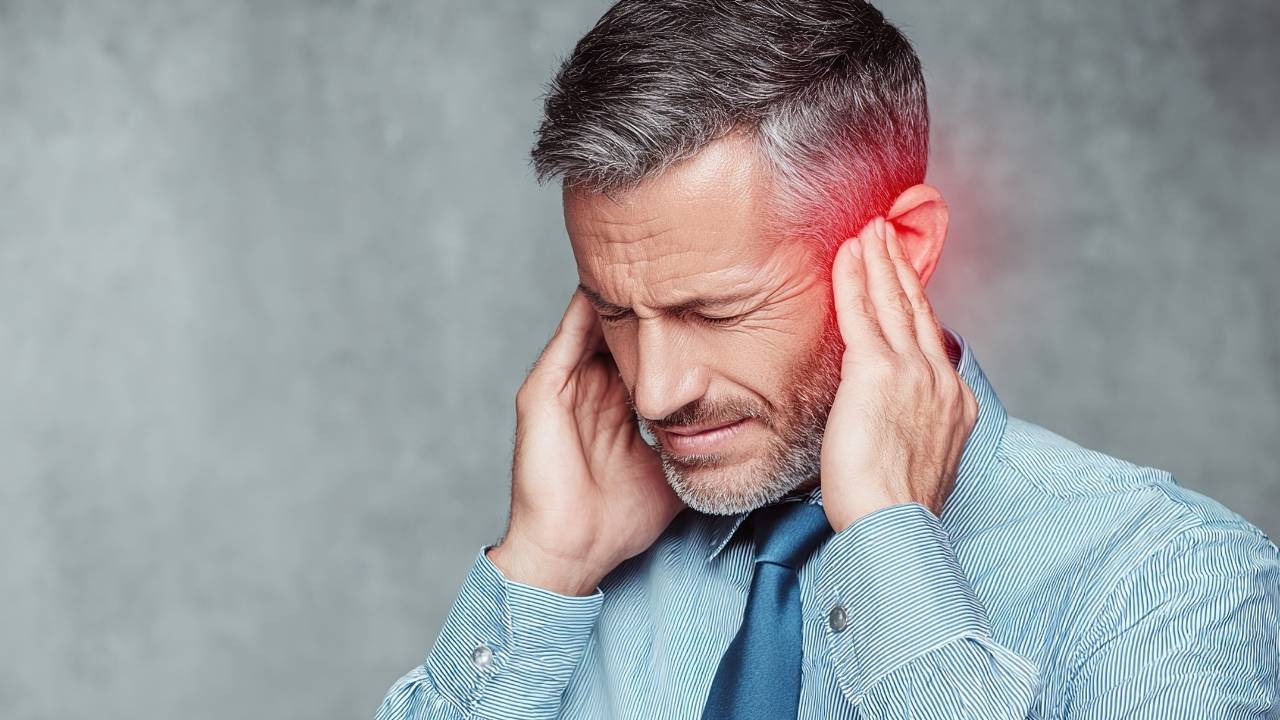
When the nervous system is under prolonged stress, muscles tend to tighten, particularly around the neck, shoulders, jaw, and upper back. This sustained tension can restrict blood flow, alter joint mechanics, and irritate sensitive nerves at the base of the skull—frequently resulting in tension-type headaches or contributing to migraines.

Stress also affects breathing patterns. Shallow or upper-chest breathing increases strain through the neck and rib cage, further reinforcing muscular tension. Over time, this creates a cycle in which stress leads to physical restriction, which then perpetuates pain.

Osteopathic treatment aims to address both the mechanical and nervous system components of stress-related headaches. By gently releasing tension in the neck, shoulders, and upper spine, improving rib and diaphragmatic movement, and calming the nervous system, osteopathy can help reduce headache frequency and intensity.

Equally important is recognising stress as a legitimate physical load on the body. Headaches are not “all in the mind”—they are often the body’s way of signalling overload.

How Is Osteopathy Different from Chiropractic?

Osteopathy and chiropractic are often grouped together, but they are distinct disciplines with different philosophies, assessment methods, and treatment approaches.

Osteopathy is a whole-body, systems-based approach to health. Osteopaths are trained to assess how the muscles, joints, nerves, circulation, and internal organs interact. Treatment is guided by the understanding that the body functions as an integrated unit, and that pain in one area may originate elsewhere. An osteopathic session often involves hands-on assessment of posture, movement, breathing, and tissue quality before treatment begins.

Chiropractic care, by contrast, is primarily focused on the spine and nervous system, with an emphasis on spinal alignment and joint adjustment. Chiropractic treatment often centres on specific spinal manipulations aimed at improving nerve function and relieving pain, particularly in the neck and lower back.

While both professions use manual techniques, osteopathy typically employs a wider range of approaches—soft tissue work, joint articulation, gentle mobilisation, cranial techniques, and functional movement assessment. Treatment plans are usually broader and more individualised, particularly for complex or long-standing conditions. 

Neither approach is “better”; they are simply different. Some patients respond well to chiropractic adjustments, others to osteopathic treatment. The key difference lies in scope and philosophy: osteopathy tends to address the whole person and the patterns behind pain, rather than focusing solely on a specific joint or spinal segment.

Why Did the Osteopathic Health Centre Close?

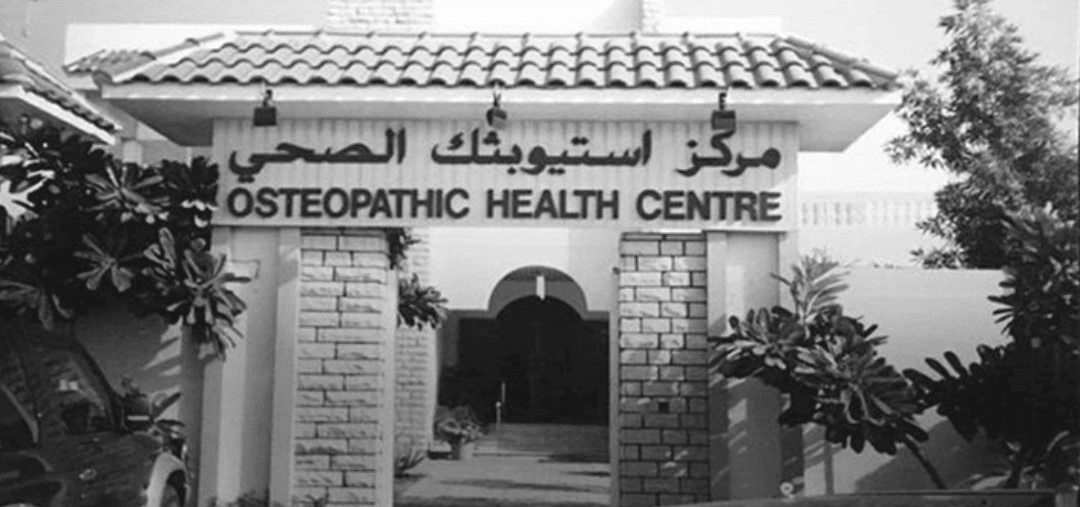
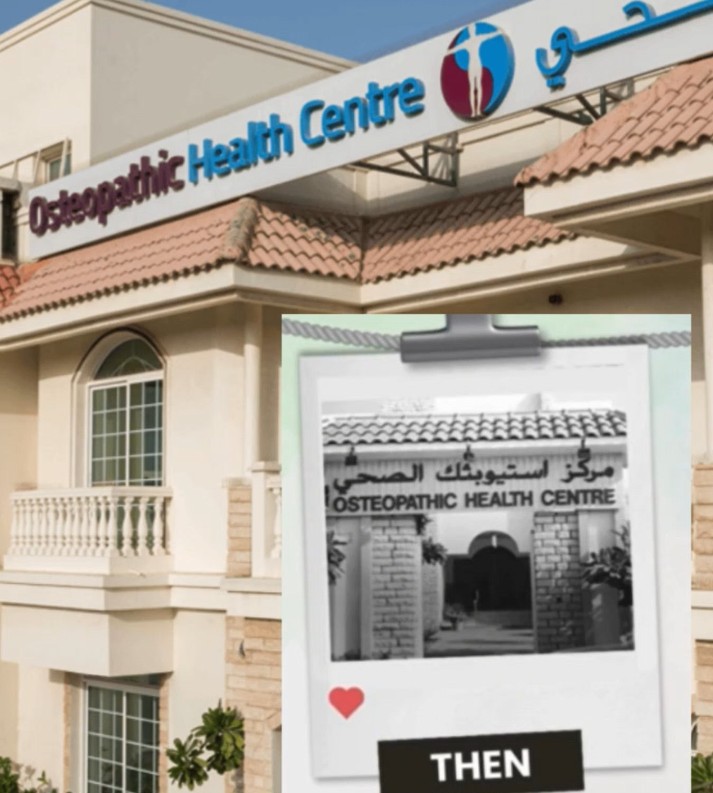
After 25 years of continuous service, the Osteopathic Health Centre closed its doors at the end of 2025. For many patients, this raised understandable questions. The closure was not about a loss of belief in osteopathy, nor a decline in the quality of care. Rather, it marked the natural conclusion of a long chapter and the beginning of a quieter, more focused phase of work.

Healthcare has changed significantly over the last two decades. Rising operational costs, increasing regulatory pressures, and the complexity of running a large multidisciplinary clinic have made independent practice more challenging than ever. After careful reflection, it became clear that continuing to run a full clinical facility no longer aligned with the stage of life and work priorities of its founders.

The decision was made thoughtfully and with respect for patients, staff, and the wider medical community. Closing the clinic allowed its founders to step away from the administrative and financial pressures of clinic ownership, while preserving what mattered most: the integrity of the work, the quality of care, and the long-standing therapeutic relationships built over decades.

Importantly, the closure of the Osteopathic Health Centre does not mean the end of osteopathic care. Many practitioners from the team continue to practise elsewhere, and patients have been supported in transitioning their care. For Malcolm Gregory, it has meant a shift toward part-time clinical work and consultancy—continuing to treat long-term patients without the demands of running a large organisation.

After thousands of patients treated and a legacy of integrative, patient-centred care, the clinic’s closure represents completion rather than loss. It is a reminder that good work can evolve, change form, and still remain deeply meaningful.