Health Revolution through Functional Medicine in Dubai

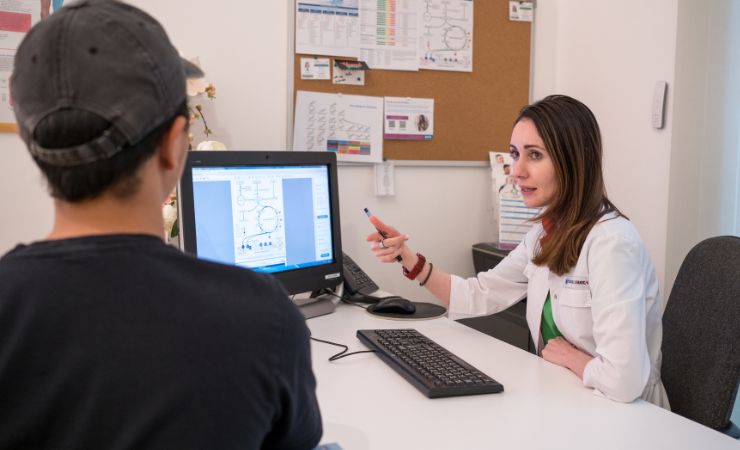
Dr. Saida (OHC’s functional medicine in Dubai)

An approach to healthcare that focuses on identifying and addressing the root causes of disease, rather than just treating symptoms. It aims to understand the body as a whole system, taking into account factors such as genetics, environment, lifestyle, and diet to create personalized treatment plans. Practitioners of functional medicine often use a combination of conventional medicine and alternative therapies to promote overall wellness and address underlying imbalances in the body.

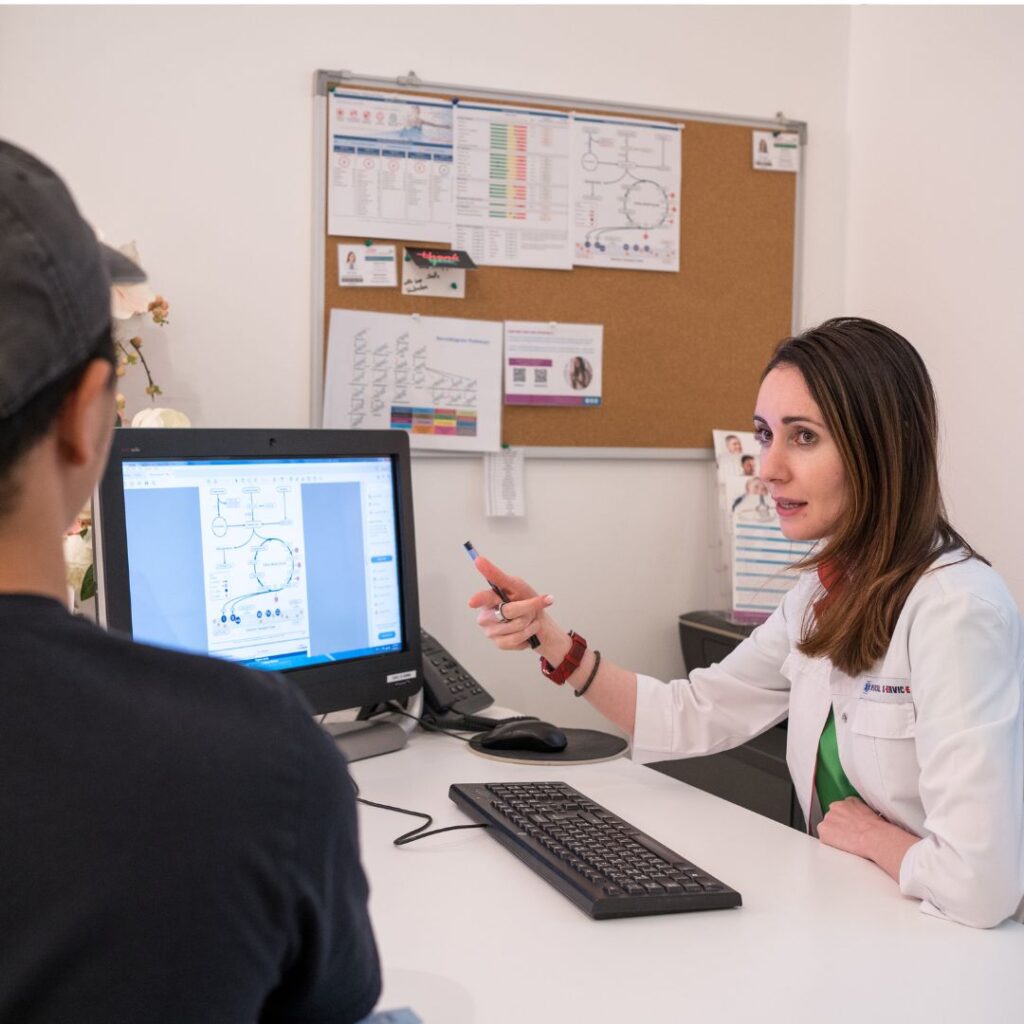
We offer Functional Medicine in Dubai as well as Functional Nutrition. We’re on a mission to decode your body’s unique language and unveil the blueprint for your optimal health. Led by Dr. Saida Pseunokova, MD, our practice is your gateway to a new era of personalized wellness.

Unveiling Functional Medicine & Nutrition

Functional Medicine & Nutrition is your backstage pass to a health approach that’s as unique as you are. It’s not just about patching up ailments; it’s a symphony of science, personalized care, and uncovering the root causes behind your health puzzle.

Your Journey to Wellness Begins Here

  • Your Story Matters: Dr. Saida isn’t here to rush you in and out. She’s here to listen—to your history, your concerns, and your aspirations for your health. Your story is the cornerstone of our journey together.
  • The Sherlock Holmes of Health: We’re talking cutting-edge diagnostics! From snazzy blood tests to unraveling your genetic secrets, we leave no stone unturned in discovering what makes your body tick.
  • Your Unique Blueprint: Armed with your personalized insights, Dr. Saida crafts a wellness roadmap just for you. No one-size-fits-all nonsense here—this plan is tailored to ignite your body’s natural healing wizardry.
  • Let the Transformation Begin: You’re not alone in this. We’re with you every step of the way. Regular check-ins, tweaks to your plan, and unwavering support—consider us your health squad.

Why Is It a Game-Changer?

  • No Band-Aid Solutions: Say goodbye to temporary fixes! We’re all about diving deep to uncover the real deal behind your health concerns.
  • Your Health, Your Rules: We’re not just handing you a prescription; we’re empowering you with knowledge and tools to own your health journey.
  • Future-Proof Your Health: Prevention is key! We’re not just about fixing what’s broken; we’re about keeping you in tip-top shape for the long haul.
  • Wellness Redefined: It’s not just about feeling better; it’s about living better. We’re here to supercharge your vitality and revamp your entire well-being.

Meet Your Functional Medicine Expert: Dr. Saida Pseunokova

Dr. Saida assess patients through a deep understanding of physiological and biochemical processes of the human body and targeting them instead of silencing the symptoms of the disease.

She completed her training with The Institute for Functional Medicine (IFM, USA). Also she did 1-year observership at one of the best Integrative Medicine  practices in the USA.

View her full profile, click here

Take the first step toward a healthier, more vibrant life. Together, let’s unlock your body’s innate ability to heal and thrive. For more info, call +971 4 348 7366 or WhatsApp us at +971 56 547 1616. We are located at Al Wasl Rd, Villa 969, Umm Suqeim 2, Dubai, UAE.


The Key to a Balanced Sleep-Wake Cycle: Circadian Health

In the hustle and bustle of modern life, our circadian rhythms often take a back seat, leaving us sleep-deprived, fatigued, and at higher risk for various health issues. The circadian system plays a crucial role in regulating our sleep-wake cycle, and understanding it is essential for maintaining optimal health. In this article, we will delve into the significance of circadian health, its relationship with the sleep-wake cycle, and provide valuable tips to help you improve your circadian well-being.

Understanding and Nurturing Circadian Health

Circadian rhythms are internal, biological clocks that regulate various physiological and behavioral processes in our bodies over a 24-hour period. They are influenced by external cues such as light and temperature, and they help synchronize our body’s functions with the natural day-night cycle. The suprachiasmatic nucleus (SCN) in the brain acts as the master circadian clock, responding primarily to light cues received by the eyes.

The Sleep-Wake Cycle

The sleep-wake cycle, one of the most prominent aspects of circadian rhythms, is a rhythmic pattern of wakefulness and sleep that follows a 24-hour cycle. It is vital for ensuring a good night’s sleep and maintaining overall health. When our sleep-wake cycle is disrupted, it can lead to various health problems, including insomnia, sleep apnea, and even mood disorders.

Circadian health is closely linked to our sleep patterns. The circadian clock regulates the release of melatonin, a hormone that induces sleepiness. Melatonin production typically begins to rise in the evening, peaking during the night, and gradually decreases in the morning as we wake up. When our circadian rhythm is in sync with the natural light-dark cycle, it becomes easier to fall asleep and wake up at the right times.

The Importance of a Balanced Sleep-Wake Cycle

A balanced sleep-wake cycle is crucial for overall health and well-being. It impacts several aspects of our lives, including:

  • Cognitive Function: A well-regulated sleep-wake cycle is essential for optimal cognitive function. It improves memory, problem-solving abilities, and decision-making skills.
  • Mood Stability: Disruptions in the sleep-wake cycle can lead to mood disorders such as depression and anxiety. Ensuring a balanced circadian rhythm can help stabilize mood.
  • Physical Health: A healthy sleep-wake cycle is associated with a reduced risk of chronic health conditions such as obesity, diabetes, and cardiovascular diseases.
  • Energy Levels: A well-regulated circadian rhythm ensures that you wake up feeling refreshed and maintain consistent energy levels throughout the day.
  • Digestive Health: Disruptions in circadian rhythms can impact the digestive system, potentially leading to issues like indigestion and weight gain.

Tips for Enhancing Circadian Health

Now that we understand the significance of a balanced sleep-wake cycle, let’s explore some practical tips to enhance your circadian health:

  • Prioritize Consistent Sleep Schedule: Go to bed and wake up at the same time every day, even on weekends. Consistency helps regulate your circadian rhythm.
  • Get Exposure to Natural Light: Spend time outdoors during daylight hours. Exposure to natural light, especially in the morning, helps reset your circadian clock and improve sleep quality.
  • Limit Exposure to Artificial Light: Reduce exposure to artificial light, especially in the evening. The blue light emitted by screens disrupts melatonin production, making it harder to fall asleep. Use blue light filters on electronic devices and dim the lights in your home as bedtime approaches.
  • Create a Relaxing Bedtime Routine: Establish a calming pre-sleep routine to signal to your body that it’s time to wind down. This might include activities like reading, taking a warm bath, or practicing relaxation techniques.
  • Watch Your Diet: Avoid heavy meals, caffeine, and alcohol close to bedtime. These can interfere with your ability to fall asleep and maintain a deep, restful sleep.
  • Exercise Regularly: Regular physical activity can promote better sleep and help regulate your circadian rhythm. However, avoid vigorous exercise close to bedtime, as it may have the opposite effect.
  • Manage Stress: High stress levels can disrupt your sleep-wake cycle. Practice stress-reduction techniques, such as mindfulness meditation or yoga, to calm your mind before bedtime.
  • Optimize Your Sleep Environment: Make your bedroom a comfortable and inviting place for sleep. Ensure it is dark, quiet, and at a comfortable temperature.
  • Limit Naps: While short power naps can be refreshing, avoid long naps during the day, as they can interfere with your ability to sleep at night.
  • Consult a Professional: If you continue to experience sleep problems or disruptions in your circadian rhythm, consider seeking advice from a healthcare professional or sleep specialist.

Nurturing circadian health is essential for a balanced sleep-wake cycle and overall well-being. By understanding the significance of circadian rhythms and following these practical tips, you can take meaningful steps towards achieving a more restful and rejuvenating night’s sleep. Your circadian health is an investment in your long-term physical and mental health, and it all starts with a good night’s sleep.

Are you having trouble with your sleep pattern? Metabolic Health Mastery programme can help! To know more about the benefits of this programme, click here.

NAD+ & Ozone Therapy for Longevity

In our quest for a longer, healthier life, we often look to science and innovation to provide answers. Two promising therapies, NAD+ (Nicotinamide Adenine Dinucleotide) and ozone therapy, have emerged as potential keys to unlocking the secrets of longevity. These therapies offer exciting possibilities for enhancing overall well-being and extending our years with vitality.

The Aging Dilemma

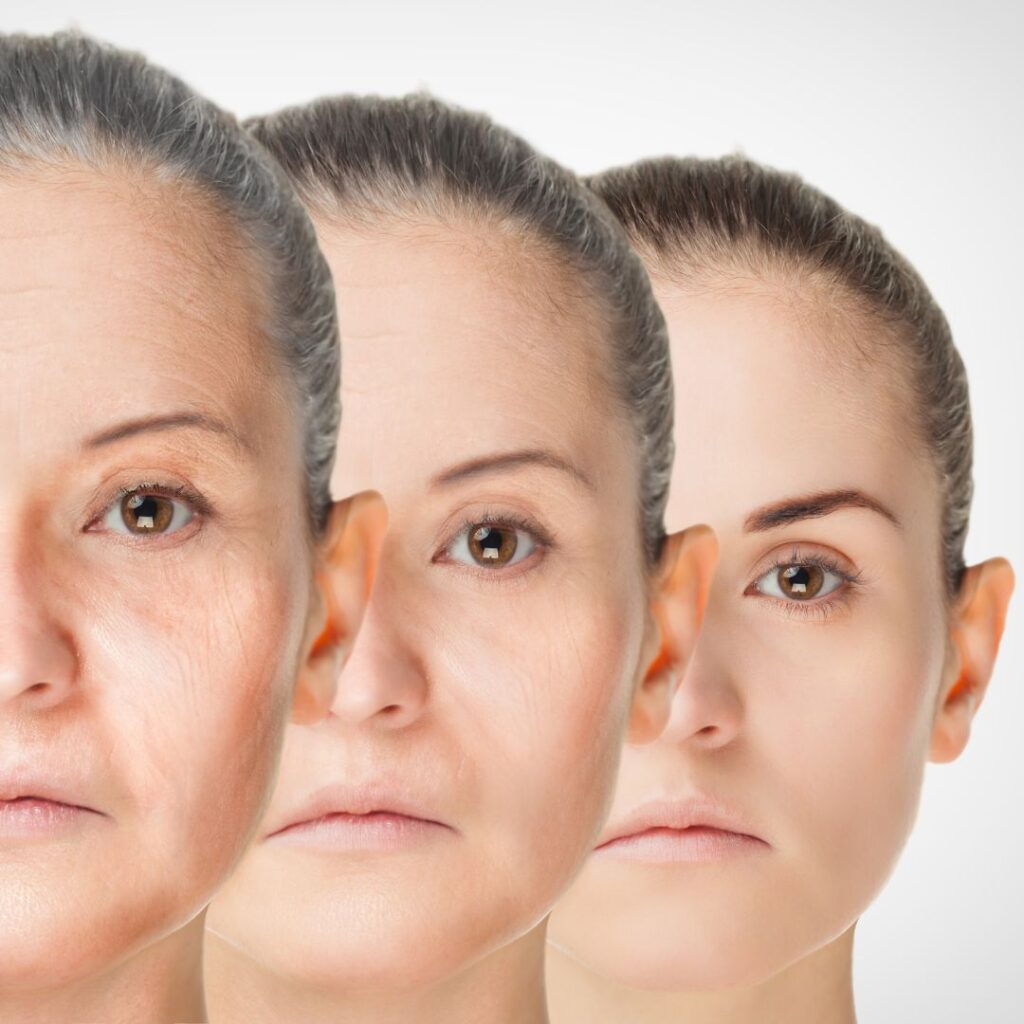
Aging is an inevitable part of life, and while it brings wisdom and experience, it also comes with various health challenges. As we age, our cells undergo wear and tear, and our body’s natural repair mechanisms become less efficient. This decline in cellular function can lead to a range of age-related issues, including reduced energy, cognitive decline, and increased susceptibility to diseases.

NAD+ Therapy: The Cellular Rejuvenator

Dr. Saida – OHC’s Functional Medicine and Functional Nutrition Practitioner

One of the most promising breakthroughs in the field of longevity is NAD+ therapy. NAD+ is a coenzyme found in every cell of our bodies, playing a vital role in various cellular processes. Unfortunately, NAD+ levels decline as we age, contributing to the aging process.

NAD+ therapy involves the supplementation of this coenzyme to boost cellular health and function. Here’s how it works:

  • Cellular Repair and Maintenance
  • Energy Production
  • Cognitive Health
  • Anti-Aging Effects

NAD 100mg – AED940
NAD 250mg -AED1,300

Cellular Repair and Maintenance

NAD+ plays a crucial role in DNA repair and maintenance. By increasing NAD+ levels, we enhance the cell’s ability to repair damaged DNA, which can slow down the aging process and reduce the risk of mutations that lead to diseases.

Energy Production

NAD+ is a key player in the process of converting food into energy. With higher NAD+ levels, our cells can produce more energy, leading to increased vitality, improved stamina, and enhanced physical performance.

Cognitive Health

Maintaining optimal NAD+ levels may also support cognitive health. Studies suggest that NAD+ therapy can enhance brain function, improve memory, and potentially reduce the risk of neurodegenerative diseases like Alzheimer’s.

Anti-Aging Effects

NAD+ therapy is often associated with anti-aging benefits. It can help rejuvenate skin, hair, and overall appearance, contributing to a youthful look and feel.

Ozone Therapy: The Oxygen Booster

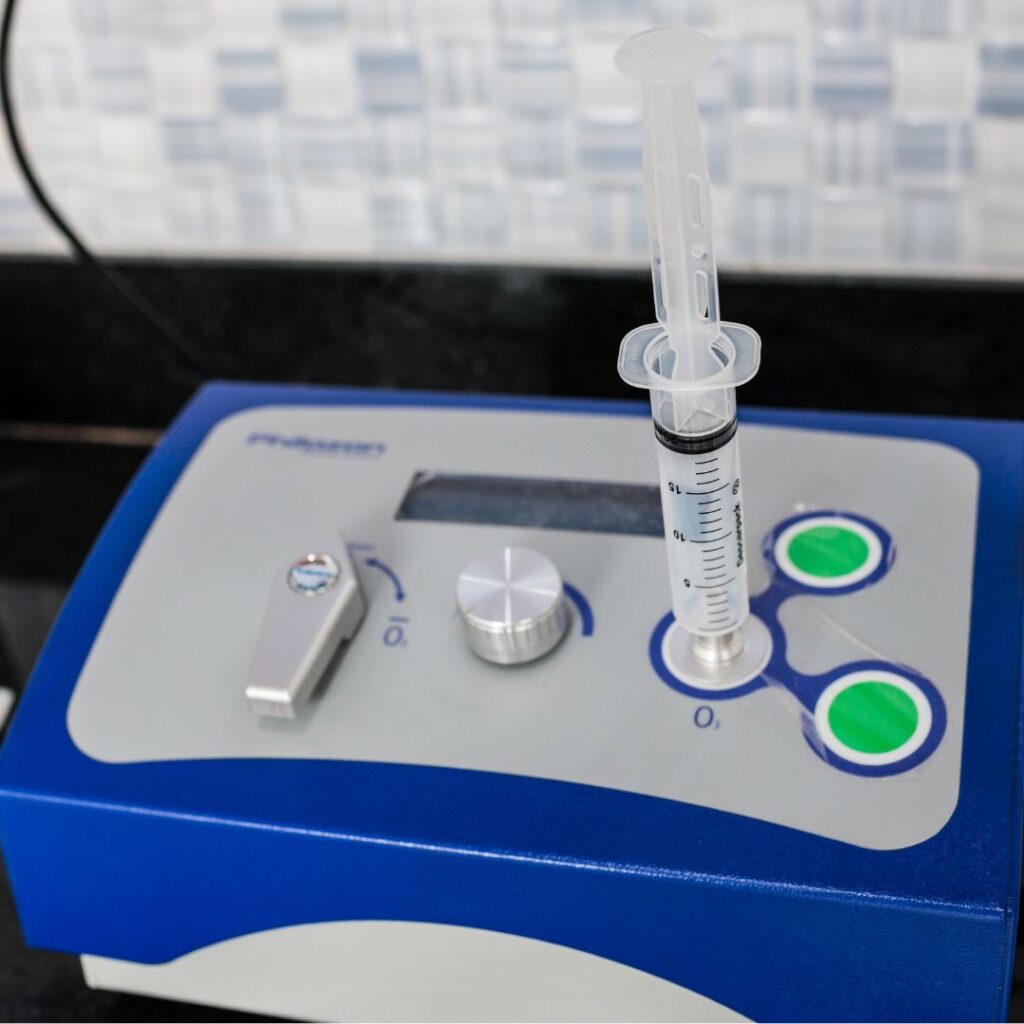
Ozone therapy is another promising approach to longevity. It involves the controlled administration of ozone, a molecule composed of three oxygen atoms, to stimulate various physiological responses in the body. Here’s how ozone therapy may contribute to longevity:

  • Oxygenation and Cellular Health
  • Immune System Support
  • Detoxification
  • Anti-Inflammatory Effects

Oxygenation and Cellular Health

Ozone therapy increases the oxygen-carrying capacity of the blood, leading to improved oxygen delivery to cells. This enhanced oxygenation supports cellular function and overall health.

Immune System Support

Ozone therapy can modulate the immune system, making it more efficient in fighting off infections and diseases. A strong immune system is vital for a longer, healthier life.

Detoxification

Ozone therapy helps the body eliminate toxins and harmful substances. This detoxification process can reduce the burden on the body’s organs and promote longevity.

Anti-Inflammatory Effects

Chronic inflammation is a common factor in many age-related diseases. Ozone therapy has anti-inflammatory properties, which may help reduce the risk of such diseases and promote longevity.

The Synergy of NAD+ and Ozone Therapy

While NAD+ and ozone therapy offer unique benefits on their own, combining them can create a powerful synergy for longevity. Here’s how they complement each other:

  • Cellular Repair and Oxygenation
  • Immune System Boost
  • Energy and Vitality

Cellular Repair and Oxygenation

NAD+ therapy repairs cellular damage, while ozone therapy enhances oxygenation and cellular function. Together, they promote optimal cell health and longevity.

Immune System Boost

Ozone therapy strengthens the immune system, making it more resilient, while NAD+ therapy supports immune function. A robust immune system is essential for a long and disease-free life.

Energy and Vitality

NAD+ therapy increases energy production, while ozone therapy improves oxygen delivery to cells. This combination results in increased vitality and overall well-being.

Taking the First Step

OHC specialises in NAD+ and our ozone therapy is coming to our clinic very soon. Our experienced medical team is dedicated to helping you unlock the potential for a longer, healthier, and more vibrant life.

Conclusion

In the pursuit of longevity, NAD+ and ozone therapy are two powerful tools that hold immense promise. By rejuvenating cells, enhancing energy, supporting cognitive health, and strengthening the immune system, these therapies can help you age with grace and vitality.

Remember, longevity is not just about adding years to your life; it’s about adding life to your years. With NAD+ and ozone therapy, you can optimize your health and well-being, giving yourself the best chance for a fulfilling and vibrant life well into your golden years.

Are you ready to take the first step toward a longer, healthier life? Contact us today to learn more about our NAD+ and ozone therapy services and start your journey towards longevity.

Further Readings:

The Power of DNA Tests in Personalised Healthcare: Unveiling Genetic Vulnerabilities

Introduction: DNA Tests can Expose your Genetic Vulnerabilities

In the realm of modern medicine, understanding the intricacies of our genetic makeup has opened up new avenues for personalised healthcare. DNA testing has emerged as a revolutionary tool that not only sheds light on our ancestry but also uncovers potential genetic vulnerabilities that can impact our health. In this article, we delve into the significance of DNA testing in revealing genetic vulnerabilities and highlight the expertise of Dr. Saida Psuenakova, a distinguished functional medicine specialist, in interpreting and utilizing this information to promote overall well-being.

The Role of DNA Testing in Health Assessment

Dr Saida Psuenakova – OHC’s GP and Functional Medicine Specialist

DNA, the blueprint of life, contains an individual’s unique genetic code that influences various aspects of their health, from disease susceptibility to metabolism and more. DNA testing, once confined to forensic investigations and paternity disputes, has evolved into a comprehensive tool for health assessment.

By analyzing specific genetic markers, DNA tests can provide insights into potential genetic vulnerabilities. These vulnerabilities encompass a range of conditions, including cardiovascular diseases, diabetes, cancer predisposition, neurological disorders, and even susceptibilities to allergies. Armed with this knowledge, individuals can take proactive steps to minimize risks and optimize their lifestyle choices accordingly.

Empowering Patients for Informed Decision-Making

One of the most significant advantages of DNA testing is its potential to empower patients with actionable information. Armed with insights about their genetic vulnerabilities, individuals can make informed decisions about their health. For instance, someone with a genetic predisposition to cardiovascular disease might adopt a heart-healthy diet, engage in regular exercise, and manage stress effectively. These proactive measures can significantly reduce the risk of developing the condition.

Furthermore, understanding genetic vulnerabilities can influence screening protocols. Functional medicine often uses DNA test results to recommend tailored screening schedules, enabling early detection and intervention for conditions that individuals might be genetically predisposed to. This proactive approach not only improves the chances of successful treatment but can also contribute to a higher quality of life.

Looking Ahead: DNA Testing and Personalised Wellness

As technology continues to advance, the potential of DNA testing in healthcare is limitless. With the guidance of experts like Dr. Saida Psuenakova, individuals can harness the power of their genetic information to take control of their well-being. Armed with personalised insights, they can embark on journeys toward healthier lifestyles that are aligned with their genetic makeup.

In the grand tapestry of health, DNA testing has woven a new thread of hope and empowerment. The collaboration between cutting-edge science and compassionate healthcare professionals like Dr. Psuenakova paves the way for a future where every individual’s health journey is as unique as their genetic code. Embracing this paradigm shift can lead to a world where prevention triumphs over cure, and genetic vulnerabilities become opportunities for transformative change.

Meet our Functional Medicine Specialist: Dr. Saida Psuenakova

Dr. Saida is specializing on the treatment of a wide range of acute and chronic conditions with both conventional and integrative approaches, through building a comprehensive treatment strategy including diet, lifestyle changes, nutritional therapy, naturopathic and prescriptive medications.

Let us help you optimise well-being and health with personalised lifestyle and dietary guidance.

Share your thoughts about this article, comment down below!

Further Readings:

The Surprising Power of Incidental Exercises for a Healthier You!

In the hustle and bustle of our daily lives, finding time for a structured workout routine can be quite a challenge. However, what if I told you that staying active and burning calories doesn’t necessarily require dedicating hours at the gym? Enter the world of incidental exercises – a hidden treasure trove of fitness opportunities that can transform your lifestyle and lead you to a healthier, fitter, and more energized version of yourself.

Discovering the Joy in Everyday Movements

Incidental exercises are all about seizing the day and embracing the joy of movement in everyday life. Imagine transforming mundane tasks into fitness opportunities and getting in shape while doing what you love! Whether it’s dancing while doing the dishes, taking the stairs instead of the elevator, or stretching during commercial breaks, incidental exercises offer a playful and engaging approach to staying active.

In this article, we’ll delve into the science behind incidental exercises and how these simple yet effective movements can positively impact your overall health. From increasing your daily calorie burn to improving cardiovascular health and boosting mental well-being, the benefits of incidental exercises are too good to be ignored.

Unlocking the Health Benefits of Incidental Exercises

Here’s a list of incidental exercises that you can perform along with their benefits:

  • Burn Calories on the Go: Discover how incidental exercises help you shed extra pounds effortlessly, as you incorporate small bursts of movement throughout your day.
  • Heart Health at Your Fingertips: Uncover how even short bursts of physical activity during your routine can keep your heart strong and lower the risk of cardiovascular diseases.
  • Revive Your Energy: Learn how incidental exercises can ward off fatigue and boost your energy levels, making you feel invigorated throughout the day.
  • Enhance Flexibility and Balance: Explore how simple stretches and movements can improve your flexibility and balance, reducing the risk of injuries.
  • Mood Booster Extraordinaire: Delve into the connection between incidental exercises and an enhanced mood, reduced stress levels, and improved mental well-being.
  • Boosting Productivity: Unveil the secret to staying focused and productive at work by incorporating brief bursts of activity during your busy schedule.

Here are some simple suggestions to get you started:

  • While waiting for your coffee to brew, do a set of calf raises or high knees.
  • Park your car a little farther from your destination and enjoy a brisk walk.
  • Turn household chores into a workout session by adding squats, lunges, or shoulder presses with household items.
  • Take the stairs instead of the elevator whenever possible.
  • Have a dance party in your living room while cooking dinner 🙂

Embrace the Incidental Revolution!

Are you ready to embrace the incidental revolution and take charge of your health? This article provides practical tips and creative ideas to seamlessly incorporate incidental exercises into your daily routine. You don’t need expensive equipment or fancy gym memberships; all you need is the willingness to move and an open mind to transform your lifestyle.

Join the millions who have already hopped on the incidental exercises bandwagon and experience the difference it can make in your life. Let’s turn our ordinary days into extraordinary opportunities for better health, one step, stretch, and dance move at a time!

Unlock the power of incidental exercises today and pave the way for a healthier and happier you.

Share your thoughts about this article, comment down below!

Further Readings:

How Physiotherapy can Help with Cervicogenic Headaches

Written by: Dr Katherine Kulp

Many of us quietly suffer with headaches, taking a pill in order to get on with our day. For a subset of people, their headache is actually coming from their neck; treating the neck then results in a significant decrease in headache pain, intensity and frequency.

A classic example is the headache that starts at the back of the head, and then radiates to the forehead or eye; these are generally one sided and can present similar to migraines even though the cause is actually in the joints, muscles and nerves of the upper neck.   Headaches that feel like a gripping or pressing tightness through the entire forehead and temple area are also examples of headaches driven by the neck.  When we choose to medicate our way out of a headache, especially if we’re taking medication twice a week or more, we can actually develop rebound headaches, leaving us with even more frequent headaches!

Is Physiotherapy Effective for Rebound Headaches?

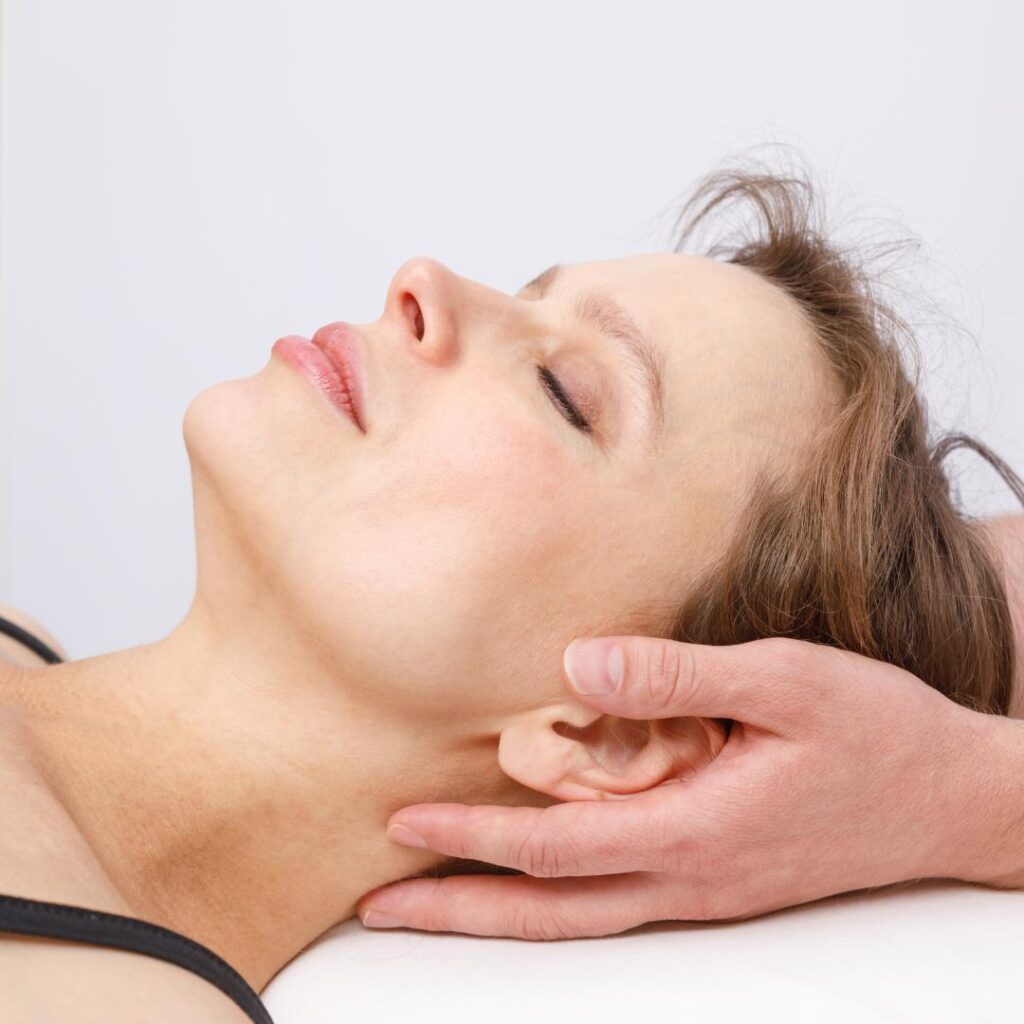
If the cause is in the neck, then you must treat the neck! This is where a functional manual therapy approach comes in. A qualified physio will fully assess the root cause of the headache. If the problem is in the joints of the neck, the physiotherapist will restore natural motion and alignment of those joints. Through a combination of releasing tight and painful muscles and specifically retraining the correct postural muscles of the neck, a physio will help you to alleviate the pain generators driving the headache! Current research continues to demonstrate that this approach is effective for a large proportion of patients with a headache.

A quick checklist to help you start troubleshooting the cause of your headaches:

  • Do you awaken with headaches? If so, the position that you are sleeping in may be putting too much strain on the neck…. this is especially true for individuals who sleep on the belly. Changing your sleep position and properly supporting the neck will often help immensely. 
  • Do you tend to get headaches after you’ve been at work for sometime? In this case, the posture that you’re in may be contributing to overuse of some of the muscles of the neck.  When these muscles become stiff and tight, or even develop knots, the ensuing pain can be felt in the head.  Changing the posture and strengthening the proper muscles will diminish headaches.
  • Did your headaches develop after an injury to the head or neck?  Even a simple rear end collision that you thought nothing of at the time can essentially “shut off” the stabilizing muscle of the neck.  More significant car accidents or falls can essentially jam up the joints of the neck and create continued headaches if not addressed.

If you find yourself continually reaching into the medicine cabinet to address your headaches, you are likely just perpetuating the cycle as opposed to heeding the warning signals of your body.  A qualified physiotherapist will help you identify the root cause of your headache, treat the joints and muscles that are creating your pain, and show you how to break the habits that have contributed to your headaches.

Further Readings:

Dubai Eye 103.8 Interview with Zameena Gull

We had the opportunity to discuss the impact of osteopathy on our day-to-day lives during this interview. Osteopathy, a holistic approach to healthcare, focuses on the body’s structure and its role in overall well-being.

We delved into how osteopathy can significantly improve our quality of life by addressing a wide range of conditions and concerns. From enhancing sitting posture to chronic pain management, osteopathy offers a unique perspective that considers the interconnectedness of the body’s systems.

Breaking Barriers: Osteopathy for Parkinson’s

Written by: Zarmeena Gull (Osteopath at OHC)

Osteopathy Restores Stability in Parkinson’s Patients

Parkinson’s Disease (PD) is a neurodegenerative disorder that affects movement, muscle control, and balance. While there is no cure for Parkinson’s, there are various treatment options available to help manage symptoms and improve quality of life. Tremor, slowed movements, and rigidity are physical symptoms which contribute to postural and gait abnormalities seen in many PD patients. Other symptoms include loss of balance and restricted range of motion, increasing the risk of falling.

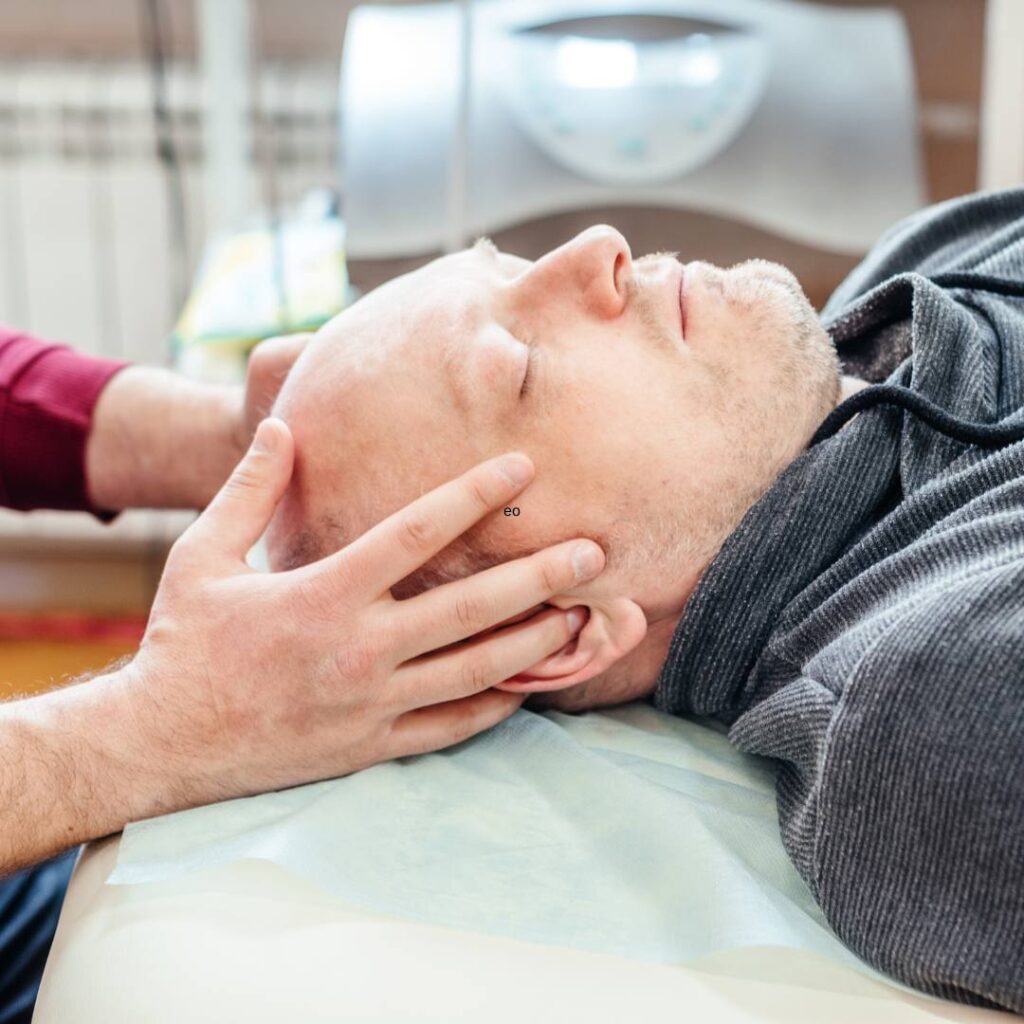
Osteopathic manual treatment provided by osteopathic physician’s aims to help decrease muscle spasms and improve joint range of motion and movement.

Osteopathic Treatments Show Promise for Parkinson’s Patients

There have been studies investigating the effect of Osteopathic treatments on PD patients. One previous research study demonstrated that a single session of osteopathic manipulative improved, particularly stride length, cadence, and maximum velocities of upper and lower extremities.

Eight other studies on non-PD subjects have shown that Osteopathic treatment can improve subject balance. In a recent study 20 elderly subjects with Osteopathic treatment applied weekly for four weeks showed an improvement in postural instability and dizziness.

Osteopathic treatment could be utilized in improving gait in PD patients, improve muscle hypertonicity and joint motion restrictions by using muscle energy and articulatory techniques for the spine and the extremities. Some specific Osteopathic techniques could be used to address balance of the spine and cranium.

My Personal Experience as an Osteopath Treating Parkinson’s Patients

Based on my experience of treating PD patients and the improvement of symptoms in I have developed a specific protocol to help my patients. I use the cranial CV4 technique, to help  address cranial restrictions, thus aiming to affect patient’s autonomic function. The protocol then proceeds to address each major spinal region and the extremities by decreasing muscle hypertonicity and increasing joint range of motion with direct Osteopathic articulatory and muscle energy techniques.

Secondly, osteopathy can improve circulation and lymphatic drainage, which can help to reduce inflammation and promote healing. This can be particularly helpful for Parkinson’s patients who may experience swelling or inflammation in the affected areas.

Finally, osteopathy can help to promote relaxation and reduce stress. Parkinson’s can be a very stressful condition, and stress can exacerbate symptoms.

Here is a recent message from one of my PD patients who is finding osteopathic treatment very helpful. It is a pleasure to receive messages like these; it really does make my Day!

Further Readings:

Osteopath vs Chiropractor: Who Should You Go to for Treatment?

Demystifying Osteopath vs Chiropractor (Osteopathy vs Chiropractic)

In the realm of alternative medicine, two captivating practices have captured the attention of seekers of holistic health: chiropractors and osteopaths. These therapeutic approaches share a common goal of promoting natural healing, yet their methods and philosophies diverge in intriguing ways. Join us on a captivating exploration as we uncover the fascinating distinctions between osteopathy and chiropractic, unlocking the secrets to their unique healing powers. Let’s see the difference between osteopath vs chiropractor in this article.

The Roots of Osteopathy

Osteopathy traces its origins back to the visionary teachings of Dr. Andrew Taylor Still in the 19th century. Driven by a profound belief in the body’s innate ability to heal itself, osteopathy revolves around the concept that optimal health is maintained when the musculoskeletal system is in harmony. Osteopaths employ techniques such as joint mobilization and soft tissue manipulation to restore balance and alleviate a range of conditions.

Chiropractic: The Power of Spinal Alignment

In contrast, chiropractic was established by Daniel David Palmer in the late 1800s. Central to chiropractic philosophy is the belief that the nervous system governs overall well-being. Chiropractors focus on the intricate relationship between the spine and the nervous system, with the belief that misalignments, known as subluxations, can disrupt the body’s natural balance. Through spinal adjustments, chiropractors aim to correct subluxations, enhancing nervous system function and unleashing the body’s innate healing potential.

A Tale of Techniques

Osteopathy and Chiropractic differ significantly in their techniques. Osteopaths utilize a holistic approach, considering the body as an interconnected system. They employ various techniques, including gentle joint mobilization, myofascial release, and craniosacral therapy, to address not only the site of pain but also the underlying causes. This comprehensive approach aims to restore harmony to the entire body, fostering long-term wellness.

On the other hand, chiropractic focuses primarily on spinal adjustments. Chiropractors employ precise manual or instrument-assisted techniques to align the spine and alleviate nervous system interference caused by subluxations. By restoring spinal alignment, chiropractic aims to enhance the body’s innate healing abilities and promote optimal health.

Conditions and Collaboration

Osteopathy and chiropractic also differ in the conditions they commonly treat. Osteopaths excel in managing a wide range of musculoskeletal issues, such as back pain, joint problems, and sports injuries. Additionally, they often work in conjunction with other healthcare professionals, embracing a collaborative approach to comprehensive patient care.

Chiropractic, with its emphasis on spinal health, is particularly effective in addressing conditions like neck pain, headaches, and musculoskeletal disorders. Chiropractors work diligently to provide relief and enhance the body’s ability to heal itself, focusing on the nervous system as the key to overall well-being.

Conclusion

In the enchanting world of alternative medicine, osteopathy and chiropractic stand tall as captivating and effective approaches to healing. While osteopathy takes a holistic view, nurturing balance within the body’s interconnected systems, chiropractic revolves around the power of spinal alignment in unleashing the body’s innate healing potential. Both practices offer unique insights into the art of natural healing, providing individuals with options to embark on a journey toward improved well-being.

As seekers of holistic health, we are fortunate to have these paths before us. By consulting with qualified professionals and exploring the philosophies and techniques of osteopathy and chiropractic, we can empower ourselves to make informed decisions about our health. Embrace the journey, unlock the secrets, and unlock the potential for a healthier, more vibrant life.

Further Readings:

Microchimerism: The Ability of the Baby to Heal Mothers During Pregnancy

A fascinating biological connection that develops between a mother and her developing baby during pregnancy.

This connection is known as microchimerism, and it refers to the presence of fetal cells in a mother’s body during and after pregnancy.

What is Microchimerism?

It refers to the presence of a small number of foreign cells in a person’s body. In the case of pregnancy, this foreign cell population comes from the developing fetus. During pregnancy, fetal cells can cross the placenta and enter the mother’s bloodstream. These fetal cells can then settle in the mother’s tissues, where they can persist for years, even decades, after pregnancy.

The phenomenon of micro chimerism was first discovered in the 1990s. Researchers found that fetal cells could be found in a mother’s blood, bone marrow, and even in her brain. These fetal microchimeric cells (FMCs) have been found in various organs and tissues, such as the lungs, liver, and spleen.

Micro Chimerism During Pregnancy

During pregnancy, fetal cells can cross the placenta and enter the mother’s bloodstream. These fetal cells can then settle in the mother’s tissues, where they can persist for years, even decades, after pregnancy. Researchers have uncovered some fascinating findings regarding the role of this phenomenon in fetal and maternal health. For example, studies suggest that fetal microchimeric cells (FMCs) may play a role in maternal immune tolerance to the developing fetus and may aid in tissue repair and regeneration.

The Potential Implications of During Pregnancy

The potential implications of micro chimerism during pregnancy are vast and varied. FMCs have been found in various organs and tissues, such as the lungs, liver, and spleen. Studies suggest that FMCs may play a role in the prevention of respiratory distress syndrome in premature infants and reduce the risk of developing certain diseases in the developing baby. Furthermore, it has been associated with a lower risk of breast cancer in mothers.

For example, a study published in the journal Stem Cells found that FMCs can differentiate into lung cells and aid in the development of the fetal lung. This finding suggests that FMCs may play a role in the prevention of respiratory distress syndrome in premature infants.

Another study published in the Journal of Pediatrics found that children with Down syndrome who had higher levels of maternal micro chimerism had a reduced risk of developing leukemia. This finding suggests that it may have a protective effect against the development of certain diseases in the developing baby.

The Negative Effect of Micro Chimerism

However, microchimeric cells can also have negative effects on our health. For example, it has been linked to an increased risk of autoimmune diseases such as scleroderma and lupus. Male micro chimerism has been associated with an increased risk of breast cancer in women. It is important to note that these correlations do not necessarily indicate causation, and more research is needed to fully understand the relationship between microchimerism and disease.

One area of research that has garnered particular attention is its potential role in fetal and neonatal health. Studies have shown that FMCs can cross the placenta and enter the fetal bloodstream, where they can potentially influence fetal development. For example, FMCs have been found in the brains of babies who died from Sudden Infant Death Syndrome (SIDS), leading some researchers to hypothesize that these cells may contribute to the development of the condition.

Summary

The presence of fetal cells in a mother’s body raises questions about the relationship between mother and baby, as well as the potential implications of of this event.

But overall, micro chimerism during pregnancy has the potential to have significant healing effects on mothers. The relationship between this event and maternal health is complex and not entirely understood, but further research is needed to better understand the mechanisms behind the potential healing effects during pregnancy.

Further Readings: