

Emotional trauma is often spoken about in psychological terms, yet its effects are frequently experienced physically. Decades of clinical observation, alongside growing scientific understanding, show that unresolved stress or trauma can be held within the body—particularly within the nervous system, muscles, connective tissue, and breathing patterns.
When an individual experiences emotional shock, prolonged stress, or overwhelming life events, the body activates protective survival responses such as fight, flight, or freeze. If these responses are not fully processed, the body may remain in a state of guarded tension or heightened alert. Over time, this can manifest as physical symptoms including persistent headaches, jaw or neck tension, chronic back pain, digestive issues, fatigue, poor sleep, or a general sense of internal unrest.

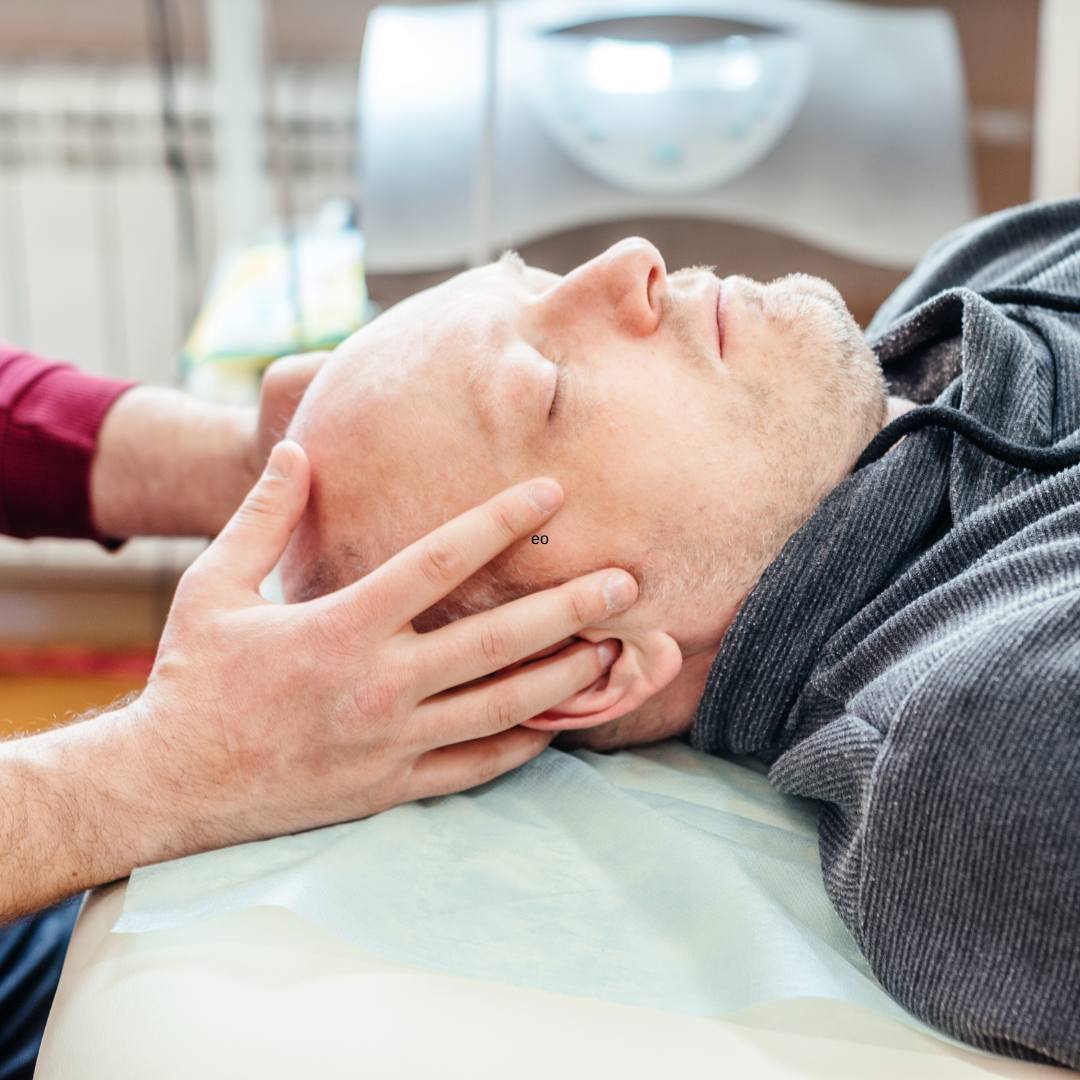
Cranial osteopathy is a gentle, hands-on approach that works with the subtle rhythms of the nervous system and the relationship between the skull, spine, and sacrum. Rather than forcing structural change, cranial osteopathy supports the body’s own regulatory mechanisms. By creating a calm and supportive therapeutic environment, treatment can help reduce nervous system overactivation, ease physical holding patterns, and support the body’s capacity to return to balance.
Patients often report improved sleep, reduced pain, enhanced breathing, and a deep sense of relaxation following cranial osteopathic treatment. Occasionally, emotional responses may arise—not because emotions are being analysed, but because the body is releasing protective patterns that have been held for long periods.
It is essential to understand that while cranial osteopathy may help relieve the physical expressions of trauma, it does not address the psychological causes themselves. Emotional trauma often requires complementary therapeutic approaches such as psychology, counselling, trauma-informed therapy, or body–mind work. These modalities work directly with emotional processing, memory, meaning, and integration.
With over 50 years of clinical experience, Malcolm Gregory approaches osteopathic treatment with a broad, integrated understanding informed by transpersonal psychology. This perspective recognises the inseparable relationship between body, mind, and nervous system—while respecting the distinct roles of physical and psychological therapies.
Cranial osteopathy can be a valuable part of a wider healing pathway, supporting physical regulation while emotional and psychological healing is addressed through appropriate therapeutic care.